Rescue System 2 of results
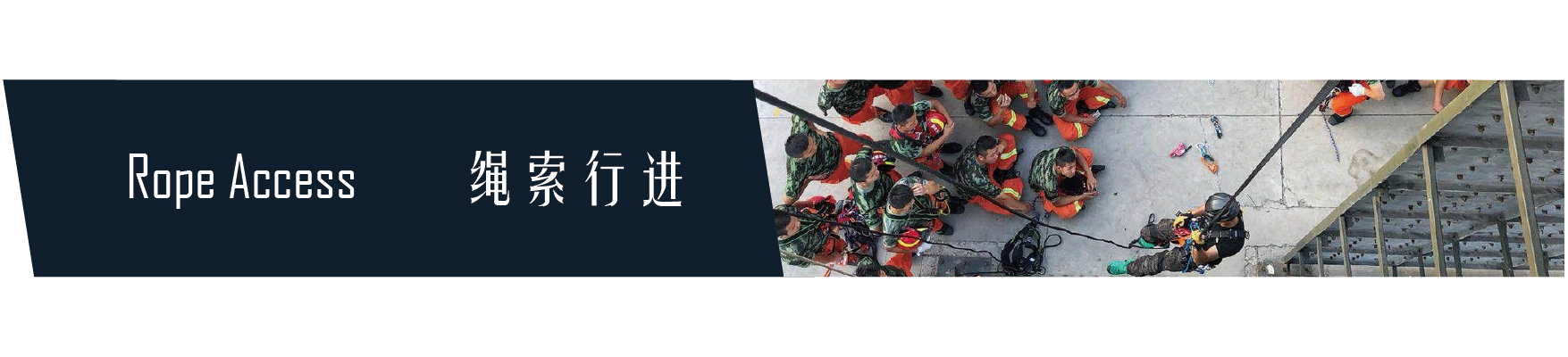 During the implementation of rope access techniques, teamwork plays a more significant role. Everything is based on actual combat scenarios. In rope access operations, it is difficult to determine exactly which specific techniques and standards must be followed to carry out the rescue mission. All rope techniques are merely tools in the rescue toolbox. Only by adhering to the basic principles of "safety, speed, and simplicity", integrating theoretical and practical capabilities, closely combining with actual equipment conditions, and strengthening the cultivation of practical operation skills, can all rescue personnel be able to think independently and flexibly apply them, and integrate with other systems.
 Mountain rescue techniques, as a fundamental ability among various rescue skills, serve as an effective means for rescue personnel to protect themselves, move around and quickly rescue others in dangerous environments. Theyare widely applied in various complex rescue scenarios, including earthquake disaster rescue, mountain rescue,water rescue, high-rise building rescue, and traffic accident rescue, all of which require the use of rope techniqueSelf-protection and rapid rescue
 Confined space environment: Common scenarios include deep well rescue, horizontal tunnel rescue, and many other situations. Rope rescue techniques can only provide basic guidelines. On the one hand, it ensures that all rescuers are fully trained in a safe environment, starting from mastering basic individual rope rescue techniques to being competent in the operation and command of complex team rope rescue techniques. On the other hand, in general actual rope rescue operations, it determines rescue norms, clarifies operation procedures, reduces negligence, and enhances safety, which has significant guiding significance.
 Before conducting high-altitude construction work, it is essential to comply with laws and regulations, make proper plans and arrangements in advance, set up all protective devices (such as fences or overhead protection), and keep the general public away. A site inspection and risk assessment must be carried out at the work location before the work begins to formulate a work plan. Potential risk factors must be eliminated before the operation to minimize risks as much as possible.
 Carrying out cable car evacuation rescue operations requires specialized equipment, and rescue personnel must strictly follow the requirements and undergo training and extensive practice.When the cable car equipment fails to function properly, the staff must carry out the evacuation in accordance with the rescue plan.Cable car evacuation requires specialized techniques to move on the steel cables.


